
Showing posts with label Discipleship. Show all posts
Showing posts with label Discipleship. Show all posts
Thursday, March 05, 2026
O God, Please Save Me from Myself


Monday, February 03, 2020
Preaching and The Conscience

I am preaching a series of messages through the life of Peter
at the moment and it has been a blessing to me to dig into the early stages of
his interaction with our Lord. In the second
message, I preached about the Lord changing the name of Peter and spent some
time preaching about the necessity of the conscience being struck with the Word
of God. A quote that I wove into the
message was from a book that Tony Mansinho sent to me a few weeks ago. It is the biography of Master Robert Bruce—Minister
in the Kirk of Edinburgh by D. C. Macnicol.
Bruce was one of the Scottish Puritans and despite some of their flaws, I
have been incredibly blessed for close to thirty years by digging into their
writings. Some time was spent by Macnicol
exploring the matter of the conscience of Bruce being smitten by God and the Holy
Scriptures. Here is the quote that I
used:
Wednesday, April 23, 2014
Lord, Is It Warfare? Week 4, Day 3
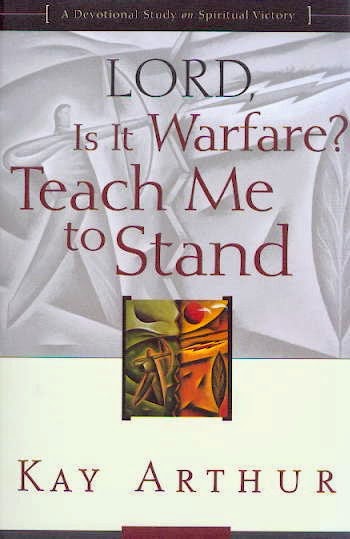
This is Week 4, Day 3 from the devotional Lord, Is It Warfare? There is something that you will find as
you develop a disciplined approach to a daily time in the Word. Your mind and spirit will be stretched by the
Scripture and you will also find a rhythm that as time passes in your devotions
that you refuse to allow a rushed attitude to consume your time with the
Lord. (Although today’s entry is
relatively short compared to some of the other ones.) Busyness and hurry are great liabilities to
us as we read through the Bible. The soul
is greatly fed as you work slowly through
these assignments because overcoming the rush and hurry of devotion moves your
thoughts into places that you would not normally be able to go. That is why I know that the messages that I
preach weekly make their most impact when they are “crock-pot” fare versus
quick, grab it as you can “microwave” pabulum.
-We all come from Adam no matter what evolutionists and
scientists might imply. We were also
created in the image of God.
Tuesday, March 25, 2014
Lord, Is It Warfare? Week 3, Day 2
Thanks to all who have sent e-mails and other social
media messages that have encouraged me that this is helping. As always, I think that what John Wesley
wrote in one of his journals more than a hundred years ago about how that
spiritual growth and reading the Bible and devotional material were very
closely linked. Frequently I give great
consideration to the blessing that we have for being able to read especially when
the statistics note that the majority of the world’s population cannot read and
are illiterate. There is some benefit to
writing down lists in your journal of the simple things in life that you can be
thankful for. Such as being able to
read, clean water, antibiotics, a functioning city sewage system, a yard that
needs mowing, glasses, peanut butter, and a bag of jalapeno flavored kettle
chips. Thank God that you are able to
sit up and read a book late at night in a quiet den or living room on a sofa or
easy chair. Gratitude flows when you
start writing down your blessings! Paul
encouraged us that in everything we are to give thanks (1 Thess. 5:18).
Friday, March 14, 2014
Lord, Is It Warfare? Week 2, Day 5

Week 2, Day 5 of Lord,
Is It Warfare? opens up a huge and somewhat muddy theological answer that
has been debated and argued for a long time perhaps even centuries. The looming question is ‘did God create evil?’ Did he create the devil purposely to trip us
up? Did the devil have a free-will as
man did? Those types of questions can
fit into the place that Paul told Timothy to avoid. He told him that there are questions that
simply create and “gender strifes” (2 Tim. 2:23) and he told him to avoid those
kinds of things. It has been my experience
that oftentimes some of the foolishness in the name of “academics” that goes on
in seminary classrooms do not strengthen faith in the Word or confidence in God. So this is one of those sorts of
questions. I am aware of one thing in
this matter; I have been filled with the Spirit. . . It empowers me. . . but I
have an enemy who wants to destroy me!
That is the fact and there will be a struggle between good and evil
until God intervenes.
From the Scriptural passages the devotional brings out,
it is noted in John 1:1-3, Nehemiah 9:5-6, and Colossians 1:15-16 that all
things were created by God. I made a
connection by reading a little further over in John 3 that men choose darkness
rather than light because their deeds are evil.
Therefore I would come to a conclusion that at some point apparently the
devil possessed a will that moved him toward the trap of pride and he attempted
to exalt himself against God.
The lesson that I need to take away from this would be
the fact that I must live out Romans 6 and fight against the tendency for pride
to consume me. The only way to
effectively live above and beyond this is for my life to have a complete
dependence on the Spirit and walk out Romans 8 so that my mind is Spirit-filled
and Spirit-led. Pride in the heart of
the devil is what led to him being expelled from heaven. Remember that Jesus said it is not what is on
the outside that soils a man’s life but rather the things that are stored in
his heart (Mark 7:20-23).
Thursday, March 13, 2014
Lord, Is It Warfare? Week 2, Day 3 & 4
I am again combining two days of Lord, Is It Warfare? because the length of Day 3 was comparatively
short and I chose not to go down a rabbit trail although as you shall see, I did
with Day 4. Day 3 dealt with the Ezekiel
28 passage that describes a lamentation or a funeral dirge of sorts for the
king of Tyre. But as you look at the
passage, there are a couple of observations about different words in verse 2 as
compared to verse 12. My primary
translation for this devotional study has been the ESV.
The word “prince” appears in 28:2 and comes from the Hebrew
word, NAGID which has the connotation as a ruler, leader, prince, or a
captain. This position would be commonly
for a leader in government, religion, or the military. The word “king” is used in 28:12 which uses the
Hebrew word, MELEK. It is most commonly
used for a man who is in a position of control of a city-state, small nation or
government. But there is a further idea
that Ezekiel develops when he notes that it is speaking of a cherub. This reduces the equation to the fact that this
king of Tyre was a symbolic figure that could be the role of the devil. This cherub would have been a dark angel or
demon who was in charge of a group of angels.
This would define the role that the devil filled as we remember that
Lucifer was one of the archangels. At
this point, the devotional encourages us to make the connection between the
Garden of Eden as described in Genesis and the account that is given in Ezekiel
28. I would think that we could see the
very clear connection between the two especially when we look at the symbols
and types that are used in other places in Scripture.
Monday, March 10, 2014
Lord, Is It Warfare? Week 2, Day 1

I am going into the second week of the study guide/devotional
by Kay Arthur, Lord, Is It Warfare? Today we come at the concept of spiritual
warfare with a bit of a different angle.
The first emphasis that should garner our attention is Jesus
Christ. All spiritual warfare must began
with the understanding that the devil has been defeated at Calvary and through
the work of the Cross. The enemy has
been defeated at the present moment, he has been allowed to operate on the
earth until his appointed time of judgment.
Since one of the primary themes of Ephesians deals with this matter of
spiritual warfare, it is clear that Paul came to some conclusions when he wrote
Ephesians 1:15-23, in fact there are three truths to understand:
1. 1:18—There is a hope to which we have
been called. That hope helps us to
understand that there is a point in the future of which we will have rest from
the attack of the enemy.
2. 1:18—The riches of this inheritance or
position has been given to us and is clear through the work of the Holy
Spirit.
3. 1:19—There is an immeasurable power
given to the saint of God through the resurrection.
Jesus Christ is in a heavenly place. He has all power, authority, dominion, and
rule over the dark world of evil.
However, if this is the case then why is there a conflict that a
born-again man has to contend with? If
the Lord has all the power in the in this world and the one we cannot see, then
why the seeming triumph of evil right now?
Those are valid questions to consider.
These questions fall into a category called theodicy which basically is
an understanding of why God allows evil to exist in our world. Volumes and volumes have been written on this
subject and there is no way to give an explanation in this very brief blog
post. It is perhaps a rabbit trail for
another day.
Monday, March 03, 2014
Lord, Is It Warfare? Week 1, Day 1

One of the top ten books for me in the honorable mention category from last year was KayArthur’s book, Lord, Is It Warfare? I did use it in some of my own personal
devotions but as I worked through it, I discovered that as a pastor, this book
was a launching pad of sorts to go beyond the exercises that had been given in
the book. Therefore, over the next
several weeks, I have intentions of putting some of my scribblings from the
book margins and from my own personal journals that I composed. Obviously the study guide has some areas of
personal reflection and evaluation that I will leave out for understandable
reasons. I would encourage you if you
are a regular reader of this blog to take some time to consider what will be
covered. Also I would greatly encourage
you to get the book, get a journal, and get a pen and write. For me, it ended up being about an hour time
allotment but it will become one of the most eye-opening hours that you will
spend during that day.
Spiritual warfare can be a slippery path that can lean
toward fanaticism or formalism. At the
end of the day what we must take into
consideration is what Scripture clearly and accurately addresses in this
area. If you have been in Pentecostal
circles for any length of time, you have probably heard some very fanciful
stories relating to this subject. I am
in that camp! I have heard some of the
most far-fetched stories that as the years have rolled on, I have dismissed
them as pure imagination of the teller who had a motive of self-aggrandizement
mixed with too much exposure to Hollywood.
On the other hand, because my father-in-law has been a district global
missions director for over 30 years, my exposure to missionaries has probably
been much higher than that of the average pastor. Friends, neighbors and all ya’ll in between,
when a missionary comes to town, the vast majority of them can tell you some
very clear and accurate things concerning the dark side of the spiritual
battle. I would encourage you to spend
time with these men and women and listen to
what they have to say.
Friday, January 17, 2014
Top Ten Books of 2013 - #1 - Standing Firm Through the Great Apostasy - Steve Gallagher

I come to this last best book slot, being #1, of the
books I read in 2013 and have found again it to be a very provoking book. I have gone back and scanned through and
reviewed much of what I wrote in it back in January 2013. I purchased the book in December 2012 primarily
on author recognition. I read a previous
book by Steve Gallagher entitled Intoxicatedwith Babylon and found it to be a very good book. I guessed that would have a pretty good idea
of the content that Gallagher would take up with this book Standing Firm Through the Great Apostasy. This is another book that falls into the
category of our personal need for revival and a reawakening of the church to
its true purpose. As I mentioned in a
previous post, books on revival and a true need for true repentance and godly
conversion was what I spent the most time with last year.
As a pastor, I often have to deal with very ambivalent
emotions concerning the state of the church both locally and nationally. There are times that I feel the great lift of
faith to believe that there is an ardent devotion to the Lord and to His Word
among those who follow the Lord. There
are other times when I find myself going into a tailspin at the shallow,
uncommitted state that we slop around in.
Perhaps nothing like social media reveals the true nature and direction
of where and what we are heading toward.
Jesus noted that out of the abundance of the heart the mouth speaks and
I think with our modern technological wizardry that now we can discover that
the abundance of the heart is revealed through what the keyboard types, what the
tweets reveal, and what the Instagram pics expose. All of this social media exposure can be terribly
disheartening when you began to understand the relentless onslaught of the
world, the flesh, and the devil on the church. Visit the profile pages of those who populate
Facebook and you see many people who are so immersed in the entertainment
venues of Hollywood, the music of Nashville, the insatiable appetite for the
fads of Fifth Avenue, and all sorts of troubling distractions that you wonder
if there is any hunger for God at all.
Some of what Gallagher addresses in the book relates to this.
Wednesday, January 15, 2014
Top Ten Books of 2013 - #2 - The Church Awakening - Charles Swindoll
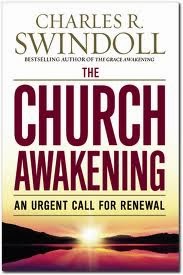
We are at the number two spot in my book reviews of the
best books that I read in 2013. This
book is one that published in 2010 and I got around to working with it in
2013. Chuck Swindoll has been around for
a long time and the majority of his books are primarily devotional in nature
and it is rare that he would take on a subject like this concerning the need
for revival in the church.
I noticed something about my reading patterns in 2013 and
that they were mostly concerned with personal revival and corporate revival
among the church. Anyone who is involved
in ministry has to understand the reality that when a church is in a state of
revival and devotion that things in churches go much smoother. Churches that aren’t experiencing a climate
of revival often turn inward and over the course of time will ultimately
die. We cannot afford for the local
church to collapse even though it is under a very heavy attack both socially
and spiritually in our day. On the other
hand, it is clear that when a church has well-defined boundaries and encourages
its members to have a high input that the Lord can do great things with
it.
Author: Charles Swindoll
Publisher: Faith Words, 2010
Thursday, January 09, 2014
Top Ten Books of 2013--#4 - Follow Me - David Platt

The book coming in at #4 was another one of the $5 books
that I purchased at Family Christian back in April. I love books and I especially love good deals
on books. Since I had previously read
David Platt’s book Radical and was
very challenged by it, I thought this book would probably do the same thing. It often does us well to remember the old
statement, “You are who you will be now in five years except for the books you
read and the people you meet.” The older
that you get and the longer the tenure in ministry there can be a tendency to
just settle in and put things on cruise control and just enjoy life. My brothers, we ought to push against this
kind of attitude! We are here for a
purpose and that is to extend the kingdom of God. David Platt’s books can make
those who are in cruise control become uncomfortable and even defensive. That is why we need books like this!
Platt has a unique way of grabbing you by the throat in
the very outset of his books. He did
this in Radical with his account of
preaching overseas and they kept asking him to preach to them even when he had
gone through his forty-minute little set of notes. Finally he just opens the Bible and starts
working through it. The outcome was a
four hour sermon to these people who were meeting secretly. He uses the same method in Follow Me. He opens the book with a story about a Muslim
who converted to Christianity and the jeopardy it put her life in because of
her conversion.
Thursday, January 02, 2014
Top Ten Books of 2013--# 7--gods At War--Kyle Idleman

Coming in at # 7 is another one of the $5 books that I picked
up at Family Christian during our District Board meetings in April 2013. This is another book written by Kyle Idleman
called gods At War. This book is very similar to a book written
by Bob Hostetler entitled American Idols both
of which focus in on cultural and societal issues that are facing the American
church.
Both of the KI books are quick reads. What I mean by that is he writes in such a
way that you can move through them fairly rapidly without having to do a lot of
stopping, writing, and pondering. As far
as reading goes, I have come to believe that we need to have various streams of
depth with our reading. We should read
books such as these that don’t take a lot of thought but they still pack a
punch. Obviously these kinds of books
provide various sermon illustrations that will sting when you use them. On the other hand, I believe that we ought to
give our time and attention to reading books that require pausing and thinking
and even perhaps writing in a journal/notebook.
Books that would fall into this category are going to be systematic theologies,
doctrinal works, and Christian biography.
Author: Kyle Idleman
Title: gods At War
Publisher: Zondervan, 2013
Monday, March 11, 2013
A Battle with the Superficial

A recent
conversation with an evangelist friend of mine has left me greatly grieved at
the state of the American church. So
harrowing was his account that last evening I was troubled to an extent that it
gave me a bit of insomnia. He opened up
his soul to me as he told me of the superficial spirituality that marks many of
our churches these days. This
superficiality is marked with a “hurry up and let’s get this over with”
mentality. Worship is rushed and has
little depth because of the desire to hurry and get to the next thing. There is pressure to hurry and get to the
restaurants, the game on television, the shopping excursion or some other
endeavor that seeks to satiate the entertainment factor in our soul.
I was
appalled when he told me that several of the churches he went to, pastors had
informed him before he ever started to preach that they did not care for any
sermons on hell, judgment, or any kind of conviction. One pastor gave the recommendation that he
ought to read three or four Scriptures and tell four or five stories and then
conclude the sermon. Another place he
went to, he found out that the pastor was opposed to altar services that
brought people to the “mourner’s bench” and was marked by tears and confession
of sin. He was told that the people
needed to be given a “joyful” and “exciting” worship experience so that they
could go home “happy.” Music has also
become a bit of a beast in that he noted that at multiple places, the music
would get people whipped into a superficial, psychological frenzy. The music would go on for a lengthy period of
time and the preaching of the Word would be limited to a fifteen to twenty
minute time slot.
Wednesday, January 09, 2013
Top Ten Books of 2012. . . # 2 Ken Raggio, Long Winding Road

This book comes
in at the Number 2 spot of the books that I read in 2012. I have known Ken Raggio for close to 20 years
now. My first interaction with him was
when we were both on the working staff at the Alabama Crusader Camp many
summers ago. We would sit up long after
all the kids had been secured for the night and talk about the Bible, preaching,
and various other aspects of the ministry.
Some aspects of this book, I already knew because of our past
conversations.
I would also
add that his wife, Dixie, who passed away in 2003 after a prolonged battle with
cancer, was one of the noblest Christians that I have ever met. I don’t know of any lady whose Bible was as
well-used as hers was. When I would go
preach in Birmingham, the Saturday nights would often be spent at their kitchen
table with Bibles open and discussion would be long into the night. It was there that I was exposed to her
Thompson Chain Reference that had multiple notes in the margins and so
forth.
Thursday, January 03, 2013
Top Ten Books of 2012. . . # 3 David Platt, Radical: Taking Back Your Faith from the American Dream

This book was
one that I read because of several favorable book reviews that were generated
from several blogs that I read. Although
I actually read it a couple of years after its initial release (2010) and it is
a book that stretches you out of your comfort zone.
Author: David Platt
Publisher: Harper
One, 2011.
One of the
reasons that this book resonated with me was because of another book that I ran
across several years ago by Randy Alcorn (SafelyHome). It was then that I first
became acquainted with the house church movement that have become prevalent in
countries where there is very limited if any freedom of religion. They go to great measures often in fear of
punishment and incarceration to get to church.
When they get there it is a very subdued and quiet environment because
of the fear of discovery.
Monday, December 31, 2012
Top Ten Books of 2012. . . # 5 William Greenhill, Stop Loving the World

Moving along
to the fifth best book that I read in 2012 is one that is short (73 pgs.) but
packs an incredible wallop. I am certain
that the title probably stimulates a strong response that is either positive or
negative. It also is curious to note
that this is a single sermon that Greenhill preached to his church. Speaking of long sermons, this is one. I doubt Joel Osteen will be preaching
anything remotely related to this theme in 2013. However, we who serve as pastors owe it to
ourselves and to those who hear us to preach this kind of content. I am reminded of what Paul wrote to Timothy
(1 Tim. 4:16) and it is sharpened by the Amplified Version:
Look well to yourself (to your own
personality), and to [your] teaching; persevere in these things—hold to them;
for by doing so you will save both yourself and those who hear you.
Author: William Greenhill
Title: Stop Loving theWorld
Publisher: Reformation
Heritage Books, 2011.
Friday, December 21, 2012
Top Ten Books of 2012. . . # 8 A. W. Tozer, The Dangers of a Shallow Faith

I am continuing
along with the top ten books that I read in 2012. I purchased this book and several others in
this series because of my past familiarity with the writings of A. W.
Tozer. His books are geared toward
personal consecration, worship, and with a deep opposition to
lukewarmness.
Author: A. W. Tozer
(Compiled by James L. Snyder).
Publisher: Regal,
2012.
The book
itself is the work of A. W. Tozer but James Snyder was instrumental in
compiling some of Tozer’s work after his death.
This book comes from a series of messages that Tozer preached in
response to critical developments that he saw within the church. Perhaps the primary theme of this book is the
idea that the world is too much with the church. He noted that the church is so intertwined with
the world that instead of appearing as two, they really are one.
Thursday, June 14, 2012
The Little Foxes That Spoil the Vine - Part 7

Song
of Solomon 2:15 KJV Take us
the foxes, the little foxes, that spoil the vines: for our vines have
tender grapes.
SPIRITUAL APATHY
General Quotes
Anonymous—Apathy
is the glove in which evil slips its hand.
Elie Wiesel—The opposite of love is not hate, it's
indifference. The opposite of art is not ugliness, its indifference. The
opposite of faith is not heresy, its indifference and the opposite of life is
not death, its indifference.
Martin Niemoller—First they came for the
communists, and I did not speak out—because I was not a communist; Then they came for the socialists, and
I did not speak out—because I was not a socialist; Then they came for the trade
unionists, and I did not speak out—because I was not a trade unionist; Then they came for the Jews, and I did
not speak out—because I was not a Jew; Then
they came for me—and there was no one left to speak out for me.
G. Bowes—One apathetic Christian may do untold harm to
a whole church. Pour a quantity of cool
water into a pot that has boiling water and immediately the temperature change
of the whole will sink. Just so the
contact of men who are indifferent with those who are fervent, deadens their
fervor, and tends to reduce them to the same apathy.
Where
Does It Start?
Another of the
little foxes that can spoil the vine is spiritual apathy. We are all susceptible to this creeping
little monster and if it moves into our lives it can be quite destructive. In fact, if spiritual apathy ever gains a
foothold it can spawn multiple other terrible conditions that greatly hinder
the vineyard of our soul, our family, and our church. Spiritual apathy allows our spiritual battles
to almost eat us alive. It opens us up
to great feelings of being overwhelmed and frustrated. Spiritual apathy causes us to coast and lean
more on natural abilities instead of leaning on the provision of God.
Spiritual apathy often starts in a
subtle manner. We are converted and it
seems like we cannot get enough of the Word, positive spiritual fellowship, and
corporate worship at church. Our life
seems to revolve around God and His house.
Our priorities are set according to spiritual events so that growth can
take place. Just being involved with the
things of God creates a faithfulness, strength, and passion that open doors to
a great walk with God. We feel the joy
of spiritual growth and can sense that the sky is the limit with what God wants
to do with us.
Tuesday, June 12, 2012
The Little Foxes That Spoil the Vine - Part 6
Thirty Sins of the Tongue to Avoid

As a conclusion to this part about the little fox of sinful speech, I discovered the old Puritan Richard Baxter wrote a book that was
primarily intended for the people in the church he pastored in Kidderminster in
the 1600’s. He called it A Christian Directory and he noted that there were thirty sins of the tongue to avoid.
Understand and remember what the sins of the
tongue to be avoided are. And they are
very many, and many of them very great: the most observable are these:
1. The first among all sins of
commission is that of blasphemy, which is the reproaching of God: to speak contemptuously of God, or to
vilify him, or dishonor him, by the denying of his perfections, and to debase
him, by false titles, doctrines, images, resemblances, as likening him to man
in any of our imperfections; anything that is a reproaching of God is
blasphemy.
2. Another sin of the tongue is, false
doctrine, or teaching things false and dangerous as from God. If any falsely say, he had such or
such a point by divine inspiration, vision, or revelation, that makes him a
false prophet. But if he only says falsely, that this or that doctrine is
contained in the Scripture, or delivered by tradition to the church, this is
but to be a false teacher.
3. Another of the sins of the tongue is, an
opposing of godliness indirectly, by false application of true doctrine, and an
opposing of godly persons for the sake of godliness, and objecting for no good
reason against particular truths and duties of religion; or defending those points and
practices which would subvert or undermine religion: a secret endeavor to make
all serious godliness seem a needless thing. There are many that seem
orthodox, that are impious and malicious opposers of that truth in the
application, which themselves do notionally hold, and positively profess.
4. Another great sin of the tongue is, the
profane deriding of serious godliness, and the mocking, and jesting, and
scorning at godly persons as such; or scorning at some of their real or
supposed imperfections, for their piety sake, to make them odious, that piety
through them might be made odious. When men so speak, that the drift and
tendency of their speech is to draw men to a dislike of truth or holiness.
5. Another great sin of the tongue is,
unjustly to forbid Christ’s ministers to preach his gospel, or speak in his
name; or to stand up against them and contradict, resist, and hinder them in
the preaching of the truth; and, as
Gamaliel calls it, ” to fight against God,” Acts 5:39.
6. Another sin of the tongue is, profane
swearing, either by God or by creatures: and also
all light and irreverent use of the name and attributes of God.
7. Much more is perjury or forswearing a most
heinous sin, it being an appealing to God, the author and defender of truth, to
bear witness to an untruth, and to judge the offender; and so a
craving of vengeance from God.
8. Lying also is a great and common sin of the
tongue.
9. Another sin of the tongue is, hypocritical
dissembling, which is worse than mere lying: when men’s tongues agree not with
their hearts, but speak good words in prayer to God, or conference with men, to
cover evil intentions or affections, and to represent themselves to the hearers
as better than they are.
10. Another is, ostentation or proud boasting, either of men’s wit and learning, or
greatness, or riches, or honor, or strength, or beauty, or parts, or piety, or
anything that men are proud of.’ As the faithful “do make their boast in
God,” Ps. 34:2; so the
“workers of iniquity boast themselves against the righteous, and the proud do
triumph and speak hard things,” Ps. 44:2-4. “Even
against the Lord,” do they boast, in their boasting against his people, Ezek. 35:13.
11. Another sin of the tongue is, unseasonable
speaking of common things when holy things should be preferred; as on the Lord’s day, or at the time
of public worship, or when the company, occasion, or opportunity call for holy
speeches: worldlings are talking, as Saul, of their asses, when they should
talk of a kingdom, 1 Sam. 9:10.
12. Another common sin of the tongue is, a
tempting and persuading others to sin, enticing them to gluttony, drunkenness,
wantonness, fornication, or any other crime; as men
that ”not only do the same, but have pleasure in them that do them,” Rom. 1:32.
13. Another is, a carnal manner of handling
the sacred things of God, as when it
is done with lightness, or with unsuitable curiosity of words, or in a
ludicrous, playful manner, especially by the preachers of the gospel
themselves; and not with a style that is grave and serious, agreeable to the
weight and majesty of the truth.
14. Another is, an imprudent, rash, and
slovenly handling of holy things; when they are spoken of so
ignorantly, unskillfully, disorderly, or passionately, tending to dishonor
them, and frustrate the desired good success.
15. Another sin of the tongue is, the reviling
or dishonoring of superiors; when
children speak irreverently and dishonorably to or of their parents; or
subjects of their governors; or servants of their masters, either to their
faces, or behind their backs. “They are not afraid to speak evil of dignities”’ 2 Pet. 2:10; Jude 8.
16. Another is, the imperious contempt of
inferiors, insulting
over them, provoking and discouraging them. Eph. vi. 4, “Fathers, provoke not
your children to wrath.”
17. Another sin of the tongue is, idle talk
and multitude of useless words; a babbling loquacity, or
unprofitableness of speech; which is speech that does not edify.
18. Another sin is, foolish talk, or jesting
in levity and folly, which tends
to possess the minds of the hearers “with a disposition of levity and folly
like the speakers. Eph. 5:4, “Foolish
talking and jesting are things not convenient.” Honest mirth is lawful; and
that is the best which is most sanctified, as being from a holy principle, and
about a holy matter, or to a holy end: as “rejoicing in the Lord always,” Phil.
iv. 4. ” If any be merry let him sing psalms,” James v. 13.
19. Another sin is, “filthy speaking, “Eph. 5:4; obscene
and ribald talk; which the apostle calls “corrupt or rotten communication,” Eph. 4:29; when
wanton, filthy minds do make themselves merry with wanton, filthy speeches.
This is the devil’s preparative to whoredom and all abominable uncleanness; for
when the tongue is first taught to make a sport of such filthy sins, and the
ear to be delighted in it, or be indifferent to it, there remains but a small
step to actual filthiness.
20. Another sin of the tongue is, cursing; when men wish some mischief
causelessly or unwarrantably to others. If you speak but in passion or jest,
and desire not to them in your hearts the hurt which you name, it is
nevertheless a sin of the tongue, as it is to speak blasphemy or treason in a
passion or in jest; the tongue must be ruled as well as the heart. But if
really you desire the hurt which you wish them, it is so much the worse. But it
is worst of all, when passionate, factious men will turn their very prayers
into cursings, calling for fire from heaven, and praying for other men’s
destruction or hurt; and pretending Scripture examples for it; as if they might
do it unwarrantably, which others have done in other cases in a warrantable
manner.
21. Slandering is another sin of the tongue; when out of malice and ill will, men
speak evil falsely of others to make them odious or do them hurt: or else
through uncharitable credulity, do easily believe a false report, and so report
it again to others; or through rashness and unruliness of tongue, divulge it,
before they try it, or receive either just proof, or any warrantable call to
mention it.
22. Another sin is, backbiting and venting ill
reports behind men’s backs, without any warrant. Be the matter true or false, as long
as you either know it not to be true, or if you do, yet vent it to make the
person less respected, or at least without a sufficient cause, it is a sin
against God, and a wrong to men.
23. Another sin is, rash censuring, when you
speak that evil of another, which you have but an uncharitable surmise of; and take that to be probable which is
but possible, or that to be certain which is but probable against another.
24. Another sin is, railing, reviling, or
passionate, provoking words, which tend to the diminution of charity, and the
breach of peace, and the stirring up of discord, and of a return of railing
words from others, contrary to the love, and patience, and meekness, and
gentleness which become saints.
25. Another sin is, cheating, deceiving,
overreaching words; when men
use their tongues to defraud their neighbors, in bargaining for their own gain.
26. Another sin of the tongue is, false
witness bearing, and false accusing; a sin which cries to God for
vengeance, who is the justifier of the innocent.
27. Another sin of the tongue is, the passing
an unrighteous sentence in judgment: when rulers absolve the guilty or
condemn the just, and call evil good and good evil, and say to the righteous,
“Thou art wicked,” Prov. xxiv. 24.
28. Another sin of the tongue is, flattery; which is the more heinous by how much
more hurtful. And it is most hurtful, 1. When it tendeth to delude men in the
greatest things, even the state of their souls. 2. Flattering is pernicious when it
tendeth to the hurt of many; as when rulers are deceived and perverted by it to
the destruction of the people and themselves.’ Prov. 26:28, “A lying
tongue hateth those that are afflicted by it, and a flattering mouth worketh
ruin.” See 1 Thess. 2:5; Ezek. 12:24; Ps. 12: 2-3.
29. Another sin is, a jeering, mocking,
deriding, or scorning at others, either for their infirmities of body
or mind, or for their virtues, or through envy and malice, or pride, or a
custom of deriding, scornful speech. Especially when sinners scorn at the
reproofs and counsels of the godly, and cast them all back into their faces
with contempt; for he that “reproveth a scorner getteth himself a blot,” Prov. 9:7-8- “A
scorner loveth not one that reproveth,” Prov. 15:12.
30. Another tongue sin is, idolatry or false
worship; the praise
of idols, or praying to them, or making songs, or speeches, or disputes for
them; as also the false worship of the true God. These among others are the
sins of the tongue to be avoided. No wonder if there be yet more, for the ”
tongue is a world of iniquity,” James 3:6.
Subscribe to:
Posts (Atom)
I Preached Another Man's Sermon
Yesterday (4/26/26), I preached another man’s sermon! Last week, my good friend, Pastor Jason Calhoun told me about a sermon that Pastor Na...

-
 Over the last several posts, I have tried to analyze some of the characters of Pilgrim’s Progress that was written by John Bunyan in 167...
 -
 Returning to John Bunyan’s Pilgrim’s Progress , I want to look at another one of his characters. This book over the years has been one I...
 -
 There are aspects of John Bunyan’s famous allegory Pilgrim’s Progress that have more details as you read on through the second portion of...